The Rich Traditions of Zomi Festivals and Celebrations
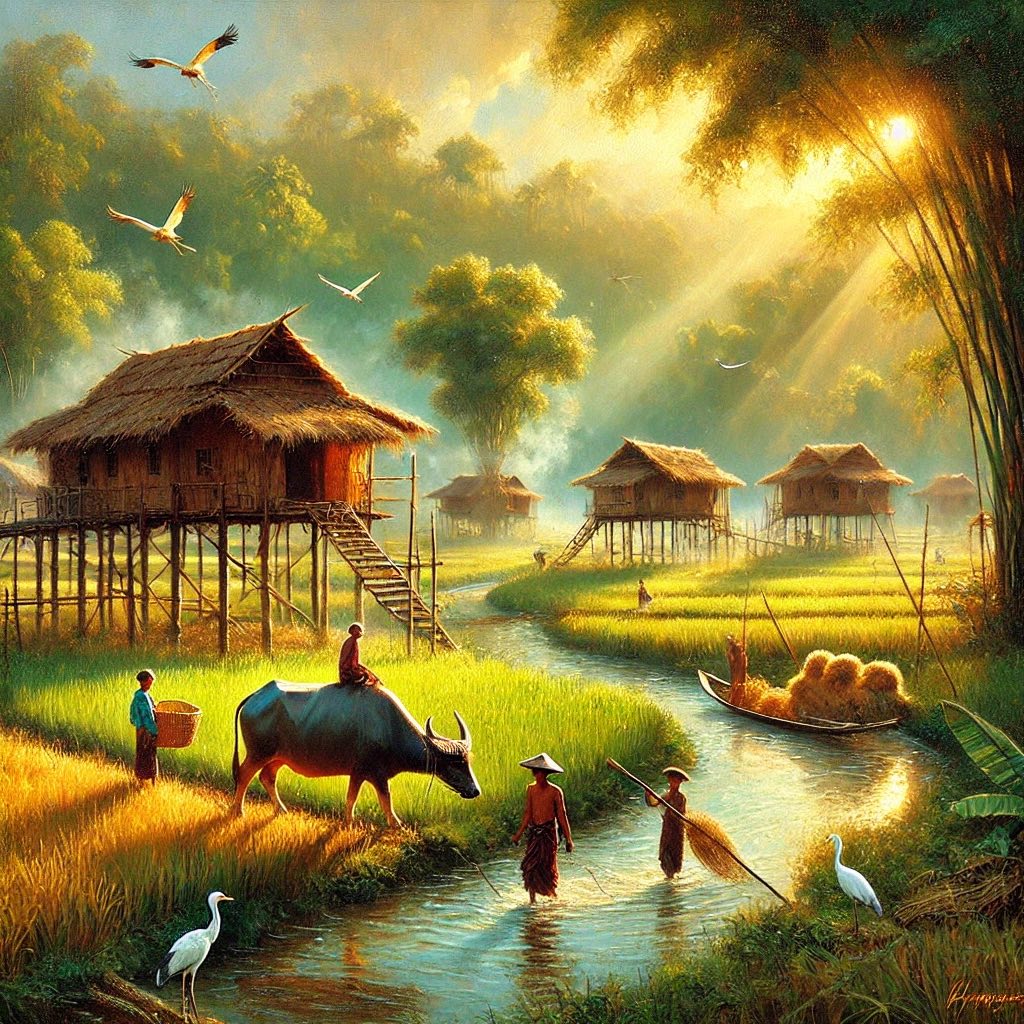
Zomi culture is marked by vibrant festivals that celebrate harvests, honor ancestors, and bring communities together. These celebrations reflect the deep connection between the Zomi people and their land, traditions, and spiritual beliefs.
Chapchar Kut - The Spring Festival
Chapchar Kut is one of the most important Zomi festivals, celebrated in March after the completion of the most arduous task of jhum cultivation - the clearing of the jungle.
Significance
- Marks the end of hard labor in the fields
- Celebrates the coming of spring
- Time for community bonding and thanksgiving
Celebrations Include
- Traditional dances (Cheraw - bamboo dance)
- Folk songs and music
- Traditional food and rice beer (Zu)
- Wearing of traditional attire
Pawl Kut - The Harvest Festival
Pawl Kut is celebrated in December/January after the harvest season. It's a time of thanksgiving for a bountiful harvest.
Key Features
- Offering of first fruits to ancestors
- Community feasts
- Traditional games and competitions
- Storytelling and cultural performances
Mim Kut - Festival of the Dead
Mim Kut is a solemn festival honoring departed souls, typically observed in August/September.
Traditions
- Offering food to deceased family members
- Visiting graves and memorial sites
- Community prayers and remembrance
- Sharing meals with neighbors
Traditional Ceremonies
Naming Ceremony (Min Piak)
When a child is born, a naming ceremony is held where:
- Elders bless the child
- The name is formally announced
- Feasting celebrates the new life
Marriage Traditions
Zomi weddings are elaborate affairs involving:
- Bride price negotiations
- Traditional rituals and blessings
- Community participation
- Multi-day celebrations
Preserving Our Heritage
These festivals and traditions are vital to Zomi identity. As communities spread across the globe, maintaining these celebrations helps:
- Connect generations - Pass traditions to youth
- Strengthen community bonds - Bring people together
- Preserve language - Many songs and rituals use traditional Zomi
- Honor ancestors - Remember those who came before
Whether you're Zomi or simply interested in learning about this rich culture, participating in or learning about these festivals offers a window into the heart of Zomi heritage.